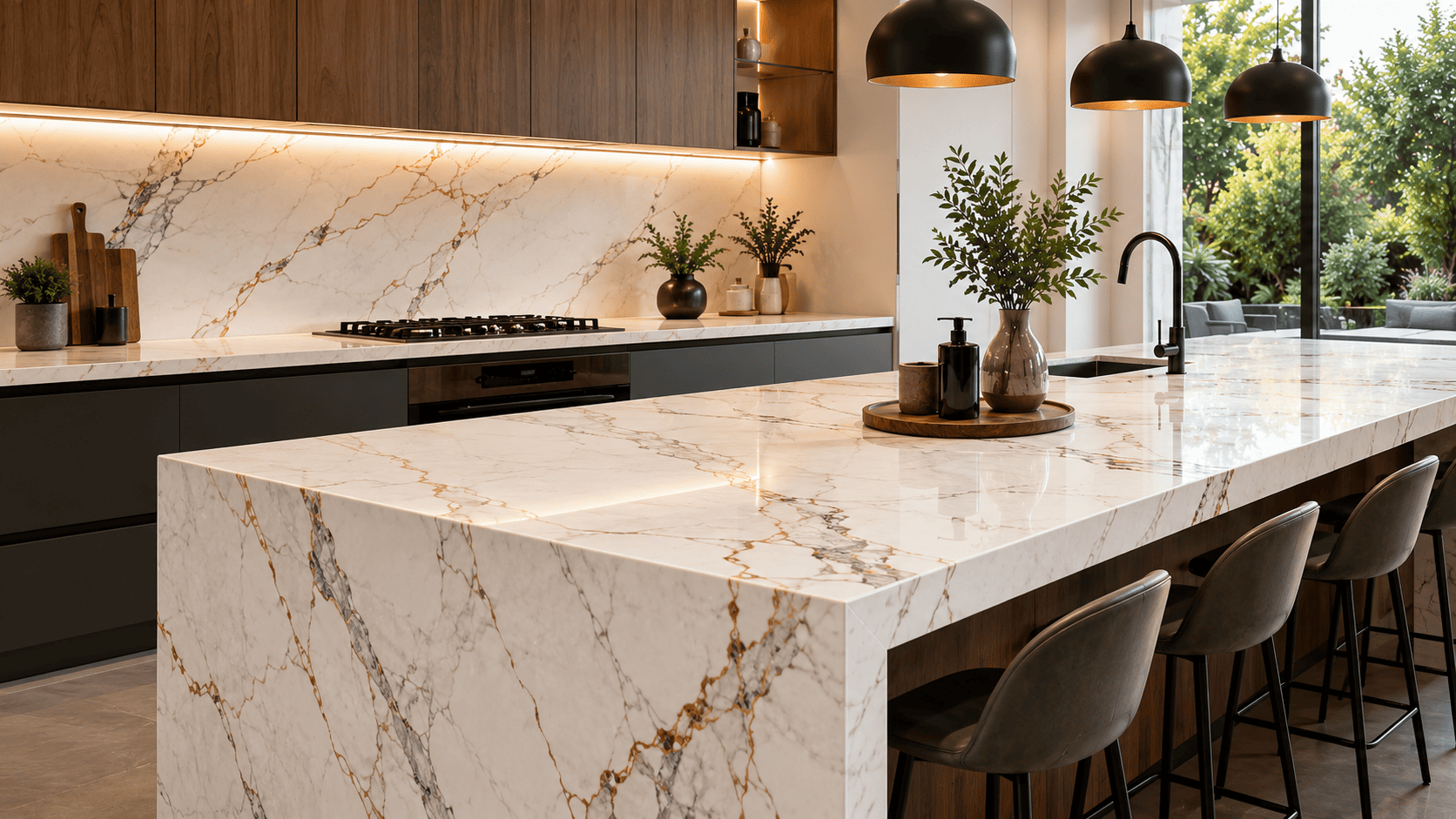
Modern kitchens are no longer just spaces for cooking. They have become the heart of the home, where families gather, entertain guests, and create memorable moments. Because of this shift, homeowners are paying closer attention to kitchen design and material selection. One of the most important decisions in any kitchen renovation is choosing the right countertop.
Among the many options available today, porcelain kitchen countertops have emerged as a popular choice for homeowners, architects, and interior designers. Their combination of durability, elegance, and low maintenance makes them an excellent investment for both residential and commercial kitchens.
In this guide, we will explore everything you need to know about porcelain kitchen countertops, including their benefits, applications, maintenance requirements, and how they compare with other countertop materials.
What Are Porcelain Kitchen Countertops?
Porcelain kitchen countertops are manufactured from refined clay and natural minerals that are fired at extremely high temperatures. This process creates a dense, durable, and non-porous surface capable of withstanding everyday kitchen activities.
Porcelain slabs are engineered to provide exceptional performance while offering stunning visual appeal. They can replicate the appearance of natural stone, marble, concrete, or wood, allowing homeowners to achieve virtually any design style.
Many leading Porcelain tiles manufacturer companies now produce large-format porcelain slabs specifically designed for kitchen countertops, islands, backsplashes, and wall cladding applications.
Why Are Porcelain Kitchen Countertops Becoming Popular?
The popularity of porcelain countertops has grown significantly in recent years. Homeowners are increasingly seeking materials that combine aesthetics with functionality.
Here are some key reasons behind their growing demand:
Exceptional Durability
Porcelain is one of the strongest surface materials available. It resists scratches, impacts, and daily wear better than many traditional countertop options.
Unlike some natural stones, porcelain maintains its appearance for years without requiring extensive maintenance.
Heat Resistance
Kitchen countertops are regularly exposed to hot cookware and appliances. Porcelain countertops are highly resistant to heat because they are manufactured at temperatures exceeding 1,200°C.
This makes them ideal for busy kitchens where hot pots and pans are frequently used.
Stain Resistance
Porcelain surfaces are non-porous, meaning they do not absorb liquids. Coffee, wine, oil, and food spills can be easily cleaned without leaving permanent stains.
UV Resistance
Porcelain countertops retain their color even when exposed to direct sunlight. This feature makes them suitable for both indoor and outdoor kitchens.
Hygienic Surface
Because porcelain does not absorb moisture, it prevents the growth of bacteria, mold, and mildew. This creates a healthier kitchen environment.
Design Possibilities with Porcelain Countertops
One of the biggest advantages of porcelain is its design versatility.
Today’s advanced manufacturing technologies allow a Tiles manufacturer to create porcelain surfaces that mimic premium natural materials with remarkable accuracy.
Popular design options include:
- Marble-inspired finishes
- Concrete-look surfaces
- Natural stone aesthetics
- Metallic effects
- Wood-look patterns
- Minimalist solid colors
Whether you prefer a luxurious contemporary kitchen or a classic traditional design, porcelain offers countless possibilities.
Advantages of Porcelain Kitchen Countertops
Low Maintenance
Unlike granite or marble, porcelain does not require sealing. Regular cleaning with mild soap and water is sufficient to maintain its appearance.
Scratch Resistance
Kitchen countertops endure daily use from knives, utensils, and cookware. Porcelain’s hard surface provides excellent resistance to scratches.
Lightweight Yet Strong
Large-format porcelain slabs are thinner and lighter than many natural stone alternatives while maintaining exceptional strength.
Environmentally Friendly
Porcelain is produced using natural raw materials and often contains recycled content. Many manufacturers follow sustainable production practices, making porcelain an eco-conscious choice.
Long-Term Value
The durability and low maintenance requirements of porcelain countertops can reduce replacement and repair costs over time.
Porcelain Countertops vs Quartz Countertops
Many homeowners compare porcelain with quartz when selecting a kitchen countertop. Both materials offer excellent performance, but there are some important differences.
Porcelain Countertops
- Highly resistant to UV exposure
- Excellent heat resistance
- Non-porous surface
- Lightweight construction
- Suitable for outdoor applications
Quartz Countertops
- Wide range of colors and patterns
- Consistent appearance
- Durable and low maintenance
- Popular for residential kitchens
Many homeowners also consider Kitchen Quartz Countertops due to their attractive appearance and durability. However, quartz can be less resistant to prolonged UV exposure than porcelain.
Similarly, Quartz Kitchen Countertops remain a premium choice for indoor kitchens where homeowners desire engineered stone aesthetics with minimal maintenance.
The final choice often depends on personal preferences, design goals, and intended usage.
Applications of Porcelain in Modern Kitchens
Porcelain is not limited to countertops alone. Its versatility makes it suitable for various kitchen applications.
Kitchen Islands
Large-format porcelain slabs create seamless and elegant kitchen islands that become focal points of the space.
Backsplashes
Matching porcelain backsplashes can enhance visual continuity and create a sophisticated design statement.
Wall Cladding
Porcelain wall panels add texture and character while maintaining easy maintenance.
Dining Counter Extensions
Many homeowners use porcelain surfaces to create integrated dining spaces connected to kitchen islands.
Outdoor Kitchens
Thanks to UV and weather resistance, porcelain is ideal for outdoor cooking and entertainment areas.
Choosing the Right Porcelain Countertop
Selecting the right porcelain countertop requires careful consideration of several factors.
Surface Finish
Porcelain countertops are available in multiple finishes, including:
- Polished
- Matte
- Satin
- Textured
Each finish offers a different aesthetic and functional experience.
Thickness
Common porcelain slab thicknesses include:
- 6 mm
- 12 mm
- 20 mm
Thicker slabs generally provide a more substantial appearance and enhanced durability.
Color and Pattern
Choose colors that complement cabinetry, flooring, and overall kitchen design.
Neutral tones remain popular because they provide timeless appeal and flexibility.
Quality of Manufacturer
Working with an experienced Porcelain tiles manufacturer ensures consistent quality, advanced production standards, and reliable product performance.
Porcelain Tiles Export from India: Growing Global Demand
India has become a major hub for porcelain manufacturing and exports. The country’s advanced production facilities, skilled workforce, and access to quality raw materials have contributed to its global reputation.
Today, Porcelain tiles export from india continues to grow as international markets recognize the quality and competitive pricing of Indian porcelain products.
Indian manufacturers supply porcelain slabs and tiles to residential, commercial, hospitality, and architectural projects worldwide.
Many international buyers prefer sourcing from India because of:
- Advanced manufacturing technology
- Large production capacity
- Competitive pricing
- Wide design selection
- Global quality standards
Maintenance Tips for Porcelain Kitchen Countertops
One of the greatest advantages of porcelain countertops is their easy maintenance.
Follow these simple tips to keep your countertops looking new:
Daily Cleaning
Use a soft cloth with warm water and mild detergent to remove dirt and spills.
Avoid Heavy Impact
Although porcelain is highly durable, strong impacts on edges or corners can cause chipping.
Use Cutting Boards
While porcelain is scratch resistant, using cutting boards helps protect both the countertop and kitchen knives.
Clean Spills Promptly
Although porcelain resists stains, cleaning spills immediately helps maintain a spotless appearance.
Avoid Abrasive Chemicals
Use non-abrasive cleaning products to preserve the surface finish.
Future Trends in Porcelain Kitchen Design
The future of kitchen design continues to embrace porcelain surfaces.
Emerging trends include:
- Extra-large porcelain slabs
- Seamless countertop installations
- Book-matched marble effects
- Minimalist matte finishes
- Integrated sinks
- Sustainable material selections
As technology advances, manufacturers continue to introduce innovative textures, patterns, and finishes that enhance both performance and aesthetics.
FAQs
Porcelain kitchen countertops are surfaces made from refined clay and natural minerals fired at extremely high temperatures, creating a durable, non-porous, and stylish countertop material.
Yes. Porcelain countertops are highly resistant to scratches, stains, heat, and daily wear, making them one of the most durable kitchen countertop options available.
No. Unlike natural stone surfaces such as granite or marble, porcelain countertops are non-porous and do not require sealing.
Yes. Porcelain is manufactured at temperatures above 1,200°C, making it highly resistant to heat from hot pots and pans.
Porcelain countertops are highly stain-resistant because they do not absorb liquids. Common spills such as coffee, wine, oil, and sauces can be easily cleaned.
Conclusion
Porcelain kitchen countertops have become one of the most sought-after solutions for modern homes. Their combination of durability, heat resistance, stain resistance, and elegant appearance makes them a smart investment for any kitchen renovation project.
Whether you are building a new kitchen or upgrading an existing one, porcelain offers long-lasting beauty with minimal maintenance. Choosing a trusted Tiles manufacturer or experienced Porcelain tiles manufacturer ensures access to premium-quality products that meet international standards.
Additionally, the growth of Porcelain tiles export from india demonstrates the increasing global demand for high-quality porcelain surfaces. While alternatives such as Kitchen Quartz Countertops and Quartz Kitchen Countertops remain popular, porcelain continues to stand out for its superior versatility and performance.
By selecting the right porcelain countertop, homeowners can create a stylish, functional, and durable kitchen space that adds value for years to come.
